Custom
DAFO 2 Softy
Product Features
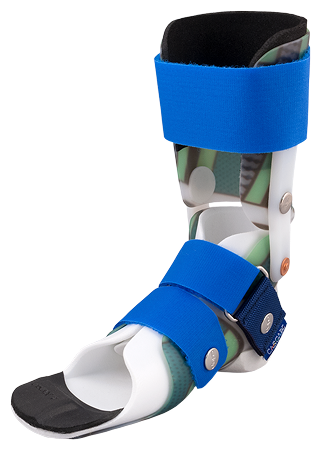
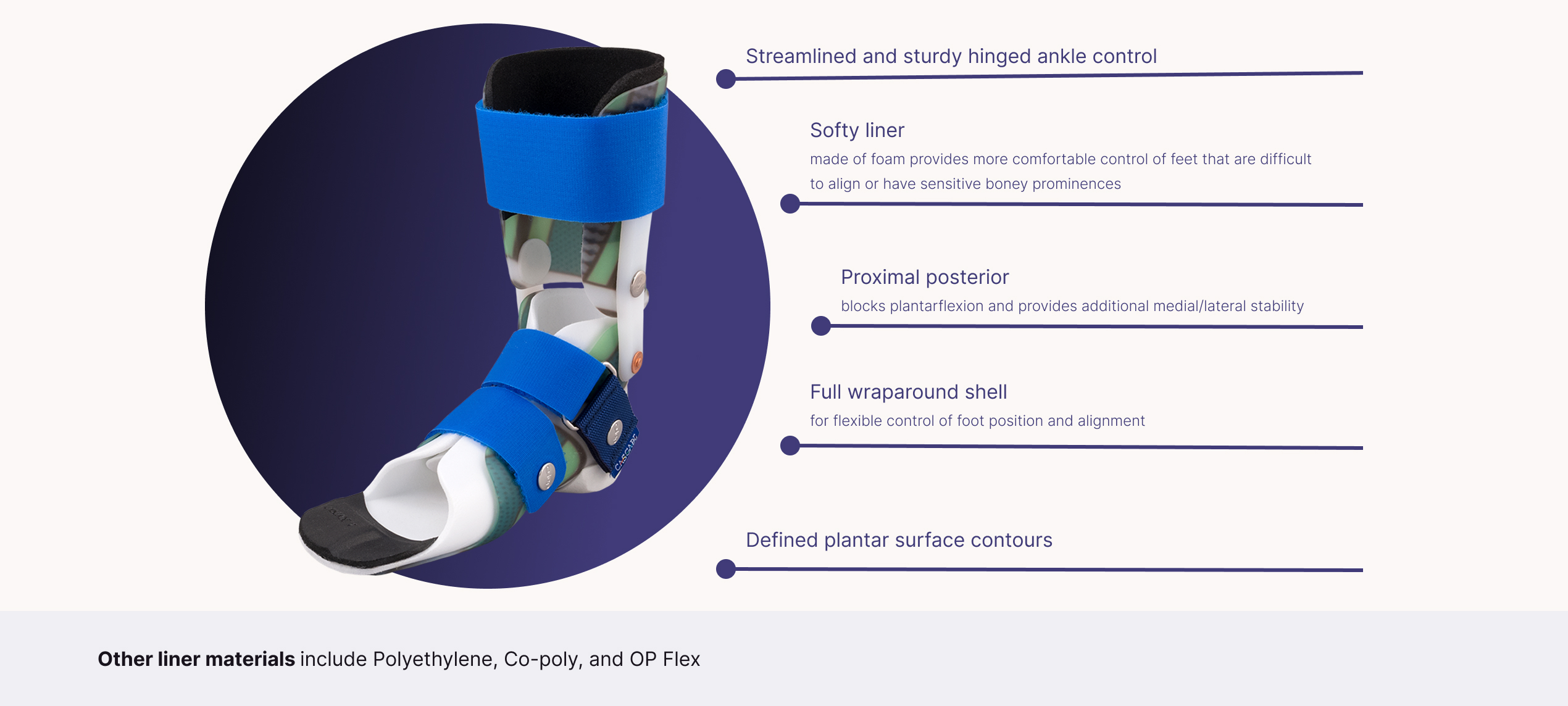
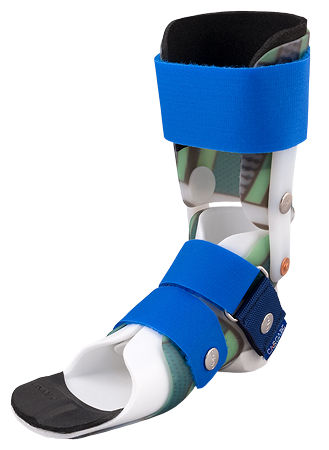
The DAFO 2 Softy has a soft foam liner that surrounds the foot to provide comfortable control of position. Like the standard DAFO 2, it combines full wraparound foot control with a hinged proximal upright, designed to block ankle plantarflexion. The proximal anterior strap comfortably secures the orthosis to the leg. The proximal upright moves unrestricted with the dorsiflexion of the ankle. This brace also provides a great deal of medial/lateral stability in both the stance and swing phases.
Patient Presentation
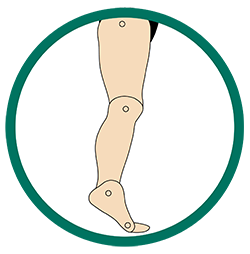
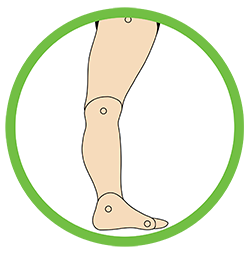
Learn more about the common gait and foot presentation groups our orthotic solutions help manage. Whether you're a parent, caregiver, or clinician, understanding these presentation groups is the first step in finding the right support for your child.
Sizing, Ordering & Fabrication for DAFO 2 Softy
Obtain a cast or 3D scan of the patient's foot and ankle.
Complete the DAFO 2 Softy order form.
Select the hinge configuration and any liner or material options needed.
Submit the cast or scan with clinical notes for fabrication.
Custom
DAFO 2 Softy
Reliable plantarflexion block with aligned foot positioning and extra comfort.
Real-World Outcomes of DAFO 5
In before-and-after assessments, patients wearing DAFO 2 Softy demonstrated:

Reduced toe walking

Decreased knee hyperextension

Improved medial-lateral stability during stance and swing

More consistent foot positioning

Improved comfort for difficult-to-align or sensitive feet
Common Questions about DAFO 2 Softy
DAFO 2 Softy keeps the same articulated plantarflexion block and free dorsiflexion as the standard DAFO 2, but adds a foam Softy liner for more comfortable control of feet that are difficult to align or have sensitive bony prominences.
It is suited for patients who have strong habits of plantarflexion that result in moderate to strong toe walking, who require tall posterior control for hyperextension of the knee, who have excessive pronation or supination, or who would benefit from a hinged AFO for additional medial-lateral alignment control.
Yes. The proximal posterior section is designed to block plantarflexion, while the hinged proximal upright moves unrestricted with dorsiflexion of the ankle.